

INEQUALITY MONOPOLY
Project: Individual
Type: Animation
Software: Illustrator, Cinema 4d
Brief: A RSA competition brief in 2023 to 'conceive and produce a 15 second animation to accompany one of the two selected audio files that will clarify, energise, and illuminate the content' while aiming at a new audience. I chose the audio by Jeffrey Boakye, a former secondary teacher, who talks about the need for Black History in schools, as there’s injustice in our society dating back to the colonial era.
Solution
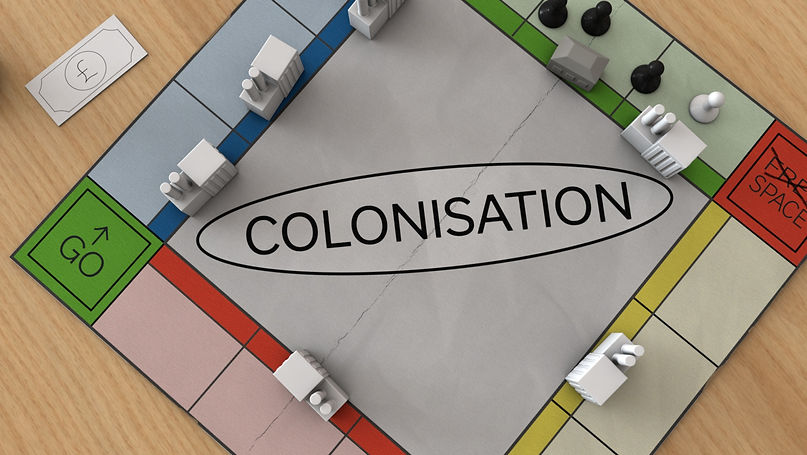
Research shows that children take note of racial differences as early as 6 month old. As they get older many learn not to talk about these difference, thus confusion and stereotypes can fester in the silence. This is why I decided to create the educational video, targeted at secondary school children to give them a simple insight into Black History; to start a conversation. I chose to represent the topic of slavery and colonisation through a board game, as a metaphor for power and because board games are recognisable and engaging for children. Chess and monopoly were the perfect inspiration, as chess uses white and black pawns, then monopoly's centres around taking resources from your opponent, creating financial ruin, similar t0 colonisation.


BEHIND THE SCENES
Planning
Once I had decided on the board game concept I began brainstorming different visual narratives, and chose to introduce children to the story of colonisation and slavery. Then, to get a rough idea for how the animation would look and the pacing of it, I made an animatic, shown on the right.
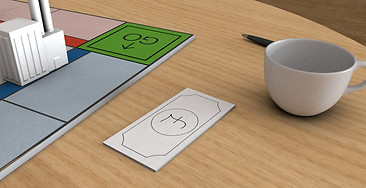
Once I started attempting to make the animation I discovered that animations of a board game can be incredibly tricky as it's hard to get the right perspective due to these games being so flat. In order to remedy this I tried several different ways: illustration, stop motion using physical pieces and 3D. I found that there was a problem with perspective, and it looked too flat for both illustration and stop motion - with stop motion proving awkward to get the camera close enough to the pieces. Therefore I settled on 3D animation, as it allowed me to put the camera in places that wouldn't be physically possible in real life to get the best perspective and shots.

Experimenting
In order to craft the best animation, I experimented with multiple different variations for all the different components. I was also toying with the design of the board, whether to be inspired by monopoly, or to make it more realistic design with grass and water so kids can see the obvious link between the board game and real life.


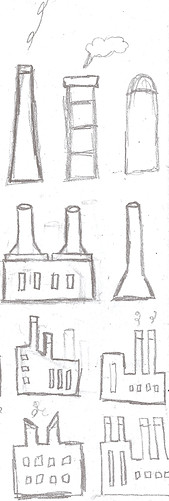

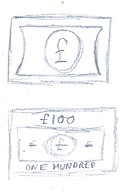


Developing
After deciding to stick to a recognisable board design , I experimented with several different colours and settled on the colours seen here as this combination is commonly used in popular board games. After this, I tweaked the design until I was happy, then added tear marks and texture later on so the board looks well used.